About the Author: Michael
Responding to over 500 emergency lockout calls a year across Staten Island, I see the exact moment panic sets in. Whether it's a running car at a gas station or a front door clicking shut behind you in the winter, I know exactly how these situations occur and how easily they can be avoided.
A lockout is almost never a mechanical failure. In 95% of cases, it is a momentary lapse in human routine. You step out to grab the mail, the wind catches the storm door, and suddenly you are standing in your pajamas in 30-degree weather.
While emergency locksmiths are on call all weekend, a lockout is expensive, stressful, and entirely preventable. The era of hiding a spare key under a fake plastic rock is over-burglars know exactly where to look. Below is a comprehensive, modern approach to lockout prevention.
1. Rethinking the "Hidden Spare"
If you must keep a physical spare key on your property, you need to elevate your hiding spots. Criminals immediately check under the welcome mat, inside the mailbox, over the doorframe ledge, and under the nearest potted plant.
- The Magnetic Lockbox: Do not stick it to your front door frame. Attach a heavy-duty, combination-secured magnetic box to an inconspicuous piece of metal hardware deep in your backyard, such as behind the central AC condenser unit or underneath a specific deck joist.
- The Keyed Padlock: Use a combination padlock specifically designed to hold keys (like a realtor lockbox) and secure it to a gas meter pipe or a heavy chain link fence out of direct sight of the street.
- Neighbor Redundancy: The safest "hiding spot" isn't on your property at all. Give a spare to a trusted neighbor, or split keys among family members who live within a 15-minute drive.
2. The Smart Lock Paradox
Electronic keypads and smart locks are incredible conveniences, but they introduce a new type of lockout: the battery failure.
I constantly respond to calls where a homeowner's smart lock died, and they never bothered to carry the mechanical backup key. Smart locks give you a low-battery warning for weeks before they die. Do not ignore it. More importantly, always buy a smart lock that features a physical keyway, and keep that mechanical key on your car keychain or at your office. If the lock's motor fails entirely, an app won't save you.
Additionally, be careful with the "Auto-Lock" feature. Setting your door to automatically lock after 30 seconds is great for security, but it's the number one reason people get locked out while taking out the trash. If you use Auto-Lock, ensure you have a keypad so you can punch your code to get back in without a phone or key.
3. Automotive Lockout Strategies
Locking your keys in the car is an agonizing experience, especially if the engine is running. If a lockout does happen, you need a reliable car lockout locksmith near you who can respond quickly and unlock your vehicle without damage.
- The Carabiner Habit: Attach your car key to a high-quality carabiner. Make it a hard physical habit to clip the carabiner to your belt loop or purse strap the absolute second you pull the key out of the ignition. Never set the key down on the passenger seat while you grab groceries.
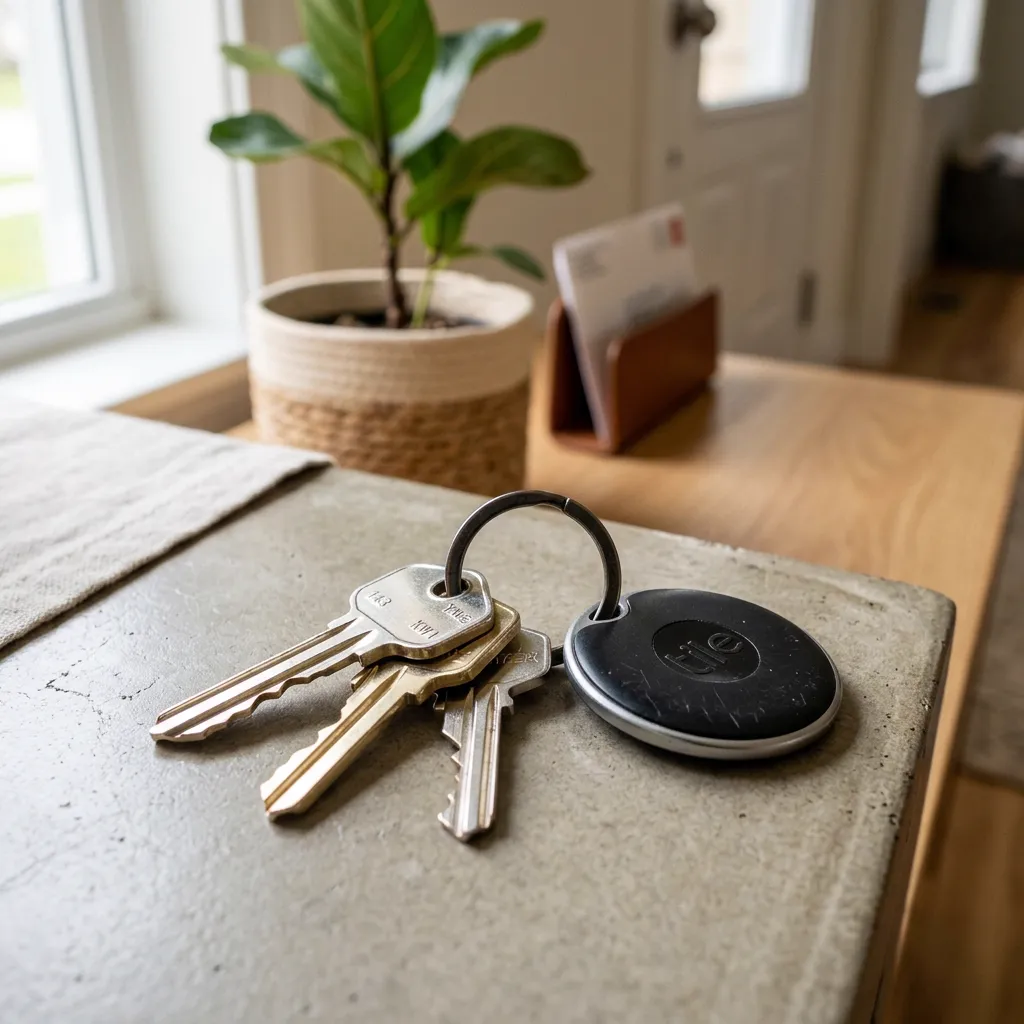
- Smart Trackers: Attach an Apple AirTag or Tile tracker to your primary keychain. While this won't help if the keys are locked inside the car, it prevents the classic "I lost my keys at the park" scenario which ultimately leads to a very expensive key generation service call.
- The Wallet Key: Have a locksmith cut a "valet" key or a flat mechanical blade (without the bulky plastic transponder head) and keep it in your wallet. It might not start the engine (due to lacking the RFID chip), but it will manually open the car door so you can retrieve your main keys from the cup holder.
4. Maintenance Prevents Breakage
A lockout isn't always caused by a lost key. Often, it's caused by a broken key. Brass keys wear down over time, and lock cylinders gather dirt and grime.
If you have to wiggle, jiggle, or pull your key halfway out to get the lock to turn, you are on borrowed time. The sheer force required to turn a sticky lock will eventually snap the key blade cleanly off inside the cylinder. Lubricate your deadbolts annually using a dry graphite powder or a PTFE-based lock lubricant (never use WD-40, as it attracts dust and turns into a sticky sludge).
5. Establish a Visual Check Routine
This is the simplest yet most effective advice I give my customers: The "Look Before You Pull" rule.
Never pull a door completely shut without physically looking at the keys in your hand. Do not rely on feeling them in your pocket, and do not assume your spouse grabbed them. Your hand must be physically holding the metal key before the door clicks shut behind you. It takes three weeks of conscious effort to turn this into an unbreakable subconscious habit.
The Ultimate Fail-Safe: Have a Locksmith on Speed Dial
Even the most prepared individuals can fall victim to a chaotic morning. When you are locked out, you do not want to be desperately Googling for help, falling prey to scam call centers that quote $20 and then demand $300 upon arrival. Research and save the number of a licensed, local Staten Island locksmith in your phone contacts right now.
Prevention costs a fraction of an emergency response. If a lockout does happen, read our complete guide on house lockout service in Staten Island to understand pricing and what to expect. Take ten minutes this weekend to evaluate your spare key strategy, lubricate your front door, and check the batteries on your electronic locks.